Clash of the Titans: Musk and Ambani Face Off Over India’s Satellite Internet Frontier
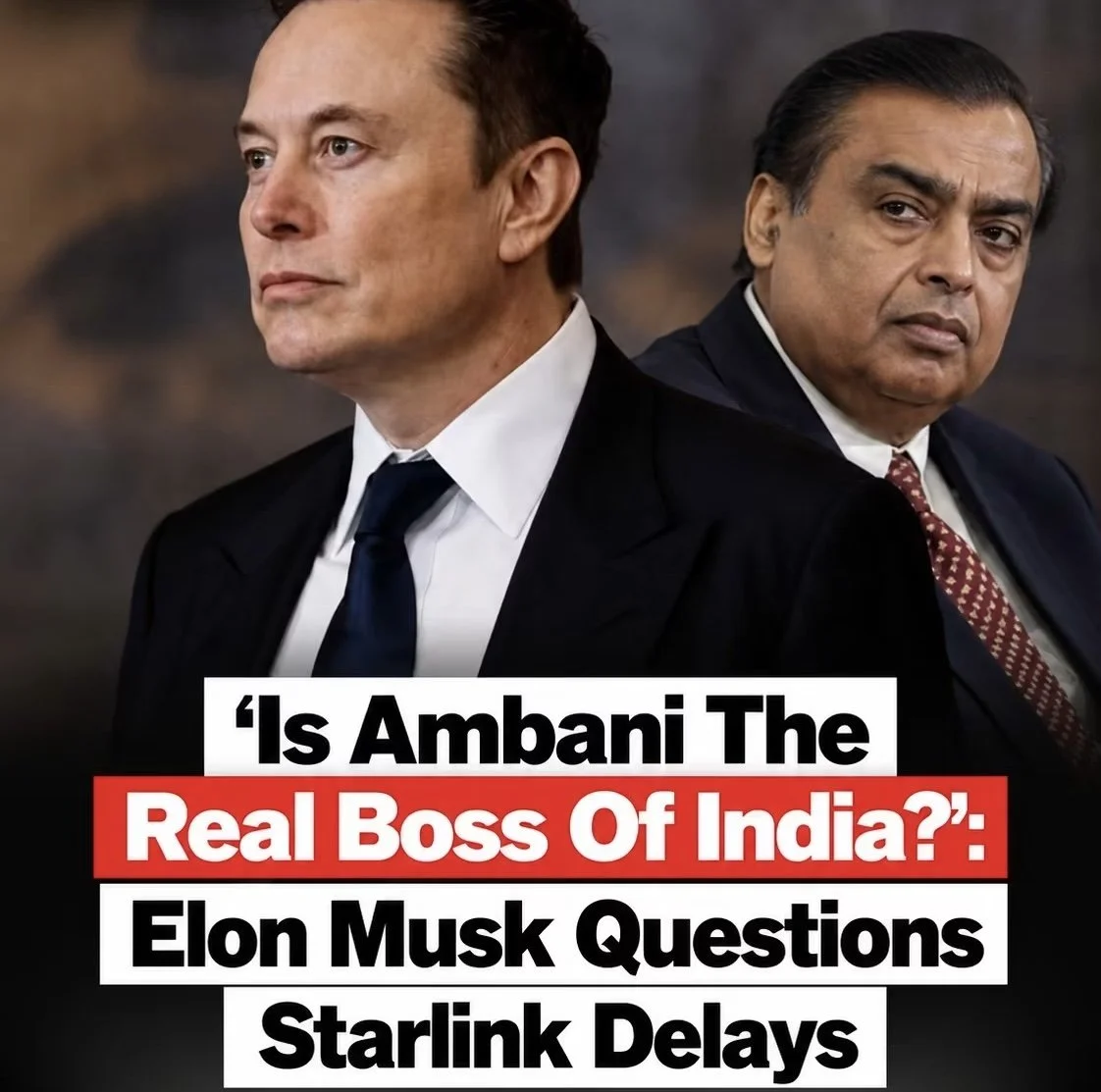
The global race for satellite internet dominance has transformed into a highly personal billionaire battleground, as SpaceX CEO Elon Musk goes head-to-head with Asia’s richest man, Mukesh Ambani, over India's digital future.The public "beef" between the two tycoons reached a boiling point following extraordinary social media broadsides from Musk regarding Starlink’s delayed commercial launch in India.
With more than one billion internet users up for grabs, India represents one of the final massive untapped frontiers for satellite broadband. For Musk, it is the ultimate expansion pack for Starlink's global network. For Ambani, whose conglomerate owns Reliance Jio—the nation’s largest mobile network operator—it is a direct threat to a hard-earned digital empire.
The Matchup
FeatureElon Musk (Starlink / SpaceX)Mukesh Ambani (Reliance Jio)Market StrategyGlobal satellite disrupter seeking direct retail footprints.Domestic telecom incumbent protecting built-out network investments.Technological ApproachLow-Earth Orbit (LEO) massive constellation for seamless global coverage.Medium-Earth Orbit (MEO) and proposed localized LEO satellite systems.Regulatory ViewBacked administrative allocation of satellite airwaves.Heavily lobbied for competitive spectrum auctions.
Phase 1: The Battle of the Spectrum (Jio's Tactical Loss)
Before the recent digital public brawl, the primary friction point between the tech giants centered on how India would distribute its satellite broadband spectrum.
Ambani vigorously pushed New Delhi to distribute the spectrum through a competitive auction process. His argument was rooted in fair play, claiming that foreign giants like Starlink shouldn't bypass the multibillion-dollar regulatory bidding wars that local operators faced during 4G and 5G buildouts.
Musk fired back, calling an auction-based model "out of step with global trends," arguing that satellite spectrum should be allocated rationally and administratively via international guidelines. The Indian government ultimately sided with Musk, announcing it would move forward with administrative allocation, dealing a rare policy blow to Reliance Jio.
Phase 2: "Is Ambani the Real Boss of India?"
Despite winning the spectrum debate, Starlink’s commercial operations remained frozen in regulatory limbo while awaiting absolute security clearances from the Indian Ministry of Home Affairs. Frustrated by a multi-year wait despite full corporate compliance, Musk turned to his social media platform, X, to break the diplomacy.
Musk escalated the feud by posting a sarcastic, mock-apologetic "open letter" to the billionaire, writing: "Is Ambani the real boss of India?" He later took the extreme step of writing, "Dear Prime Minister Ambani," directly suggesting that Ambani maintained a "monopolistic chokehold" on Indian internet policy at the expense of its citizens. Musk went so far as to amplify archived media reports detailing political donations and campaign boosting allegedly linked to Reliance firms.
The Counter-Response and Government Pushback
The Indian government and the Ambani family have largely taken a defensive stance against the erratic public outbursts:
The Government: India’s Telecom Minister Jyotiraditya Scindia strongly rejected Musk's monopoly allegations, stating that the regulatory framework is completely "fair and non-discriminatory." Officials confirmed that Starlink, Jio's satellite venture, and Bharti Airtel are all at identical regulatory stages awaiting security clearance.
The Ambanis: Akash Ambani, chairman of Reliance Jio Infocomm, took a high-road approach at the India Mobile Congress. When asked about Musk's comments, he declined a direct verbal fight, stating simply, "We want to be heads down and deliver value to our Indian consumers."
The Great Irony: Partners and Rivals
What makes the beef incredibly complex is that the two billionaires are simultaneously entangled in commercial partnerships. SpaceX signed agreements with both Reliance Jio and Bharti Airtel to potentially utilize Jio and Airtel retail outlets to distribute Starlink consumer hardware once regulatory hurdles clear.
As the war of words cools, the stakes remain high. The ultimate prize extends beyond rural Wi-Fi; it rests in controlling direct-to-device satellite communication—the capability for satellites to connect directly to standard smartphones without a dish. Whether New Delhi grants Starlink its final clearance or allows Jio’s own emerging satellite constellation time to match the skyward challenge remains the multi-billion dollar question.
