Redefining Female Empowerment: How Burkina Faso Replaced Beauty Pageants with Science and Mathematics
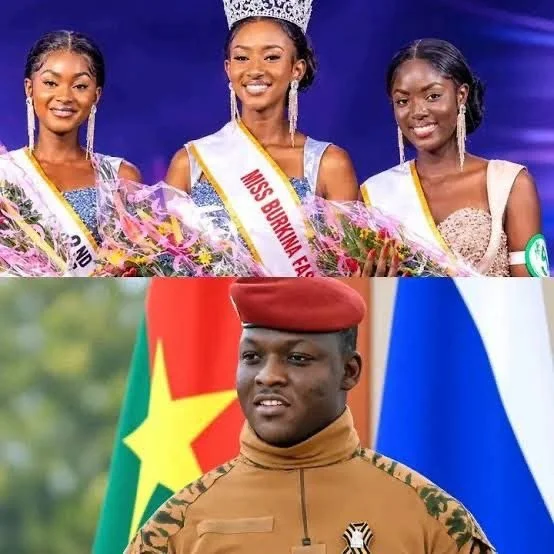
Across the globe, national beauty pageants have long been marketed as celebrations of poise, culture, and female ambition. Yet, in Burkina Faso, a bold policy shift has challenged this traditional narrative. In 2026, the West African nation's military-led government took the unprecedented step of suspending national beauty pageants, redirecting state sponsorship toward an academic competition that honors young women excelling in mathematics, physics, and chemistry.
This radical move has ignited a global conversation: Should society measure a woman's national representation through superficial standards, or should it elevate academic and scientific achievement instead?
The Catalyst Behind the Policy Shift
The decision stems from the ideological direction set by President Captain Ibrahim Traoré, whose administration has consistently championed national sovereignty, anti-imperialism, and a return to indigenous African values.
According to government officials, traditional beauty pageants—often structured around Western aesthetic standards—promote the commercialization and physical objectification of women. Authorities argued that at a time when the nation faces severe socio-economic and security trials, national platforms should inspire young citizens toward tangible, problem-solving disciplines rather than superficial competitions.
In place of pageantry, the government launched HAKILI Mousso, a nationwide intellectual tournament dedicated to young women who achieved top marks on their science baccalaureates. Instead of tiaras and sashes, finalists were awarded university scholarships, laptops, motorcycles, and cash prizes to support their ambitions as future engineers, researchers, and scientific leaders.
Analyzing the Impact: A Balanced Perspective
While the policy has earned praise from pan-Africanists and educational advocates, it has also sparked debate regarding personal freedom and state
1. The Case for Academic Empowerment
Dismantling Superficial Standards: By shifting media attention from physical attributes to academic prowess, the state sends a clear signal to young girls that their intellect carries far greater value than societal expectations of beauty.
Elevating STEM Representation: Women remain underrepresented in STEM fields across West Africa. HAKILI Mousso provides both visibility and direct financial backing to help young female scholars pursue degrees in engineering, medicine, and applied sciences.
Investing in National Development: For a developing nation, cultivating a generation of skilled scientists and engineers directly serves long-term economic growth far more effectively than modeling events.
2. The Case for Individual Autonomy
Infringement on Choice: Opponents argue that banning pageants deprives women of the right to participate in industries they choose—whether fashion, modeling, or entertainment.
Economic Strain on the Creative Sector: The event management, makeup, modeling, and fashion design industries rely heavily on pageants for revenue and artistic expression.
State Control Over Female Representation: Replacing commercial pageantry with a government-mandated competition raises concerns about state overreach into how women are permitted to express themselves publicly.
The Road Ahead
Burkina Faso's policy shift reflects a growing willingness among African nations to challenge inherited Western social norms in favor of grassroots development priorities. While a single academic competition cannot solve structural educational challenges on its own, it marks a decisive statement: the future of female leadership lies in critical thinking, scientific discovery, and technical innovation.
