Raw, Unfiltered, and Under Fire: Why the Police Action Against Jhapalish Signals a Dangerous Precedent for Nepali Youth Culture
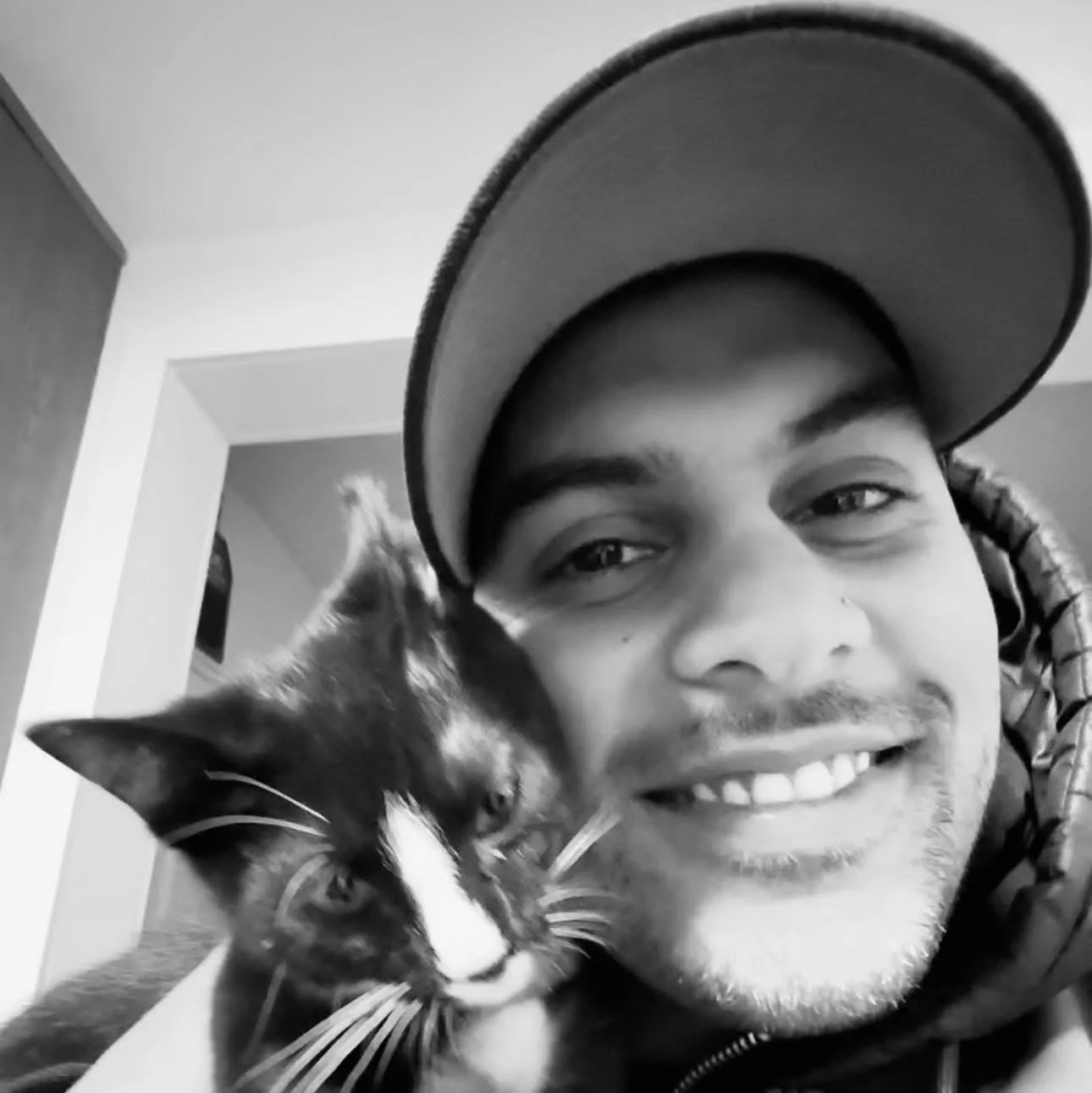
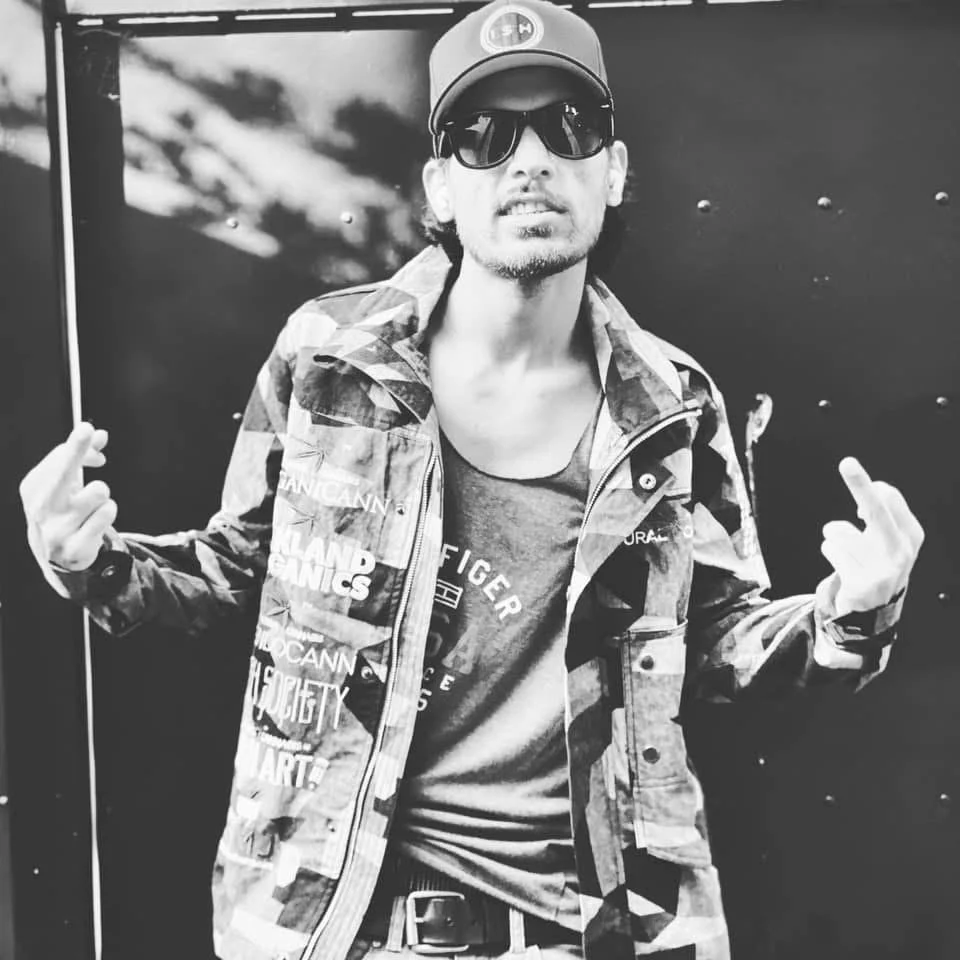
KAKARVITTA, JHAPA — When officers from Jhapa Police brought local livestreamer and hip-hop artist Manish Pandey, widely known as Jhapalish, into custody following a verbal complaint, the digital sphere erupted. While police framed the brief detention around allegations of "abusive and explicit language" used in a recent video, the incident has highlighted a growing divide between traditional authority and an emerging generation of raw, unfiltered digital creators.
For fans and fellow creators across Nepal's hip-hop (NepHop) and streaming community, the police intervention felt less like public protection and more like a heavy-handed attempt to police culture, silence raw expression, and intimidate grassroots youth.
1. The Double Standard: Culture vs. Censorship
In the world of hip-hop and late-night livestreaming, slang, direct confrontation, and harsh language are not criminal threats—they are stylistic conventions. Jhapalish built his massive, organic following by staying authentically local, giving a voice to Jhapa’s street culture, and refusing to adopt the polished, corporate tone expected by mainstream media.
Critics point out that brought-in creators are being held to an impossible standard:
Selective Enforcement: Swear words and aggressive language are routine in mainstream political rallies, television dramas, and parliament debates. Yet, a young artist streaming from his bedroom becomes the primary target of police station summons over mere verbal complaints.
Building a Community Without Handouts: Fellow artists, including creator WLF Kush, highlighted that Jhapalish earned his platform by supporting up-and-coming talent, offering free promotions, and fostering a space for youth culture. Treating his edgy content as a law-and-order issue disregards the community support behind his channel.
2. The Chilling Effect on Independent Media
Taking a creator into custody over informal, verbal complaints sets a dangerous precedent for freedom of speech under Article 17 of Nepal's Constitution.
When law enforcement acts as an immediate referee for hurt feelings or online beef, it creates a "chilling effect" where independent creators operate under constant fear of being hauled into a police station simply because someone found their commentary offensive.
"If crude language or online beef is all it takes to trigger police involvement, no authentic creator or underground artist in Nepal is safe from arbitrary state pressure."
3. A Victorious Stand for the Youth
Despite the pressure, the outcome of the incident proved the strength of Jhapalish's community. Without formal charges or legal grounds for criminal prosecution under strict statutes like the Electronic Transactions Act, Jhapa Police released Pandey shortly after questioning.
While authorities obtained a routine written commitment regarding future content language, the swift release sent a clear message: the online creative community will not sit quietly while state machinery is used to intimidate independent voices.
Jhapalish’s brief detention is not a mark against his character; it is a badge of honor that reflects the friction between a rigid legal system and an energetic, unfiltered youth movement demanding room to speak freely.