The Architect of Nepali Hiphop: Legacy of Yama Buddha
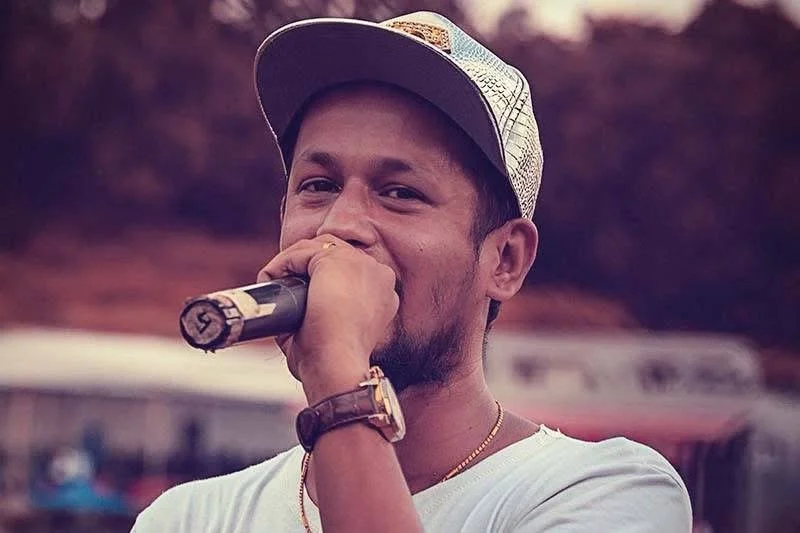
Every musical movement has its foundational pillars—the visionary who took a localized subculture and gave it a raw, unvarnished heartbeat. In Nepalese hip-hop, that architect was Anil Adhikari, universally known to millions as Yama Buddha.
Long before rap battles filled stadiums in Kathmandu and mainstream commercial charts welcomed underground artists, Yama Buddha weaponized his pen to chronicle the harsh truths of urban existence. On January 14, 2017, the Nepalese music world shattered with the news of his untimely passing in London. Yet, years later, the echoes of his voice remain embedded in the bedrock of modern Nepali culture.
1. The Genesis of a Movement: Life and Artistic Rise
Born in Morang and raised in Kathmandu, Anil Adhikari’s introduction to hip-hop began as a young listener drawn to the rhythmic storytelling of western rap. But when he picked up the mic, he did something revolutionary: he forced rap to speak fluent Nepali with profound poetic depth.
Yama Buddha didn't just rap about wealth or bravado; he rapped about real life. He captured the crushing weight of unemployment, the desperation of foreign employment (pravasi), government corruption, and the generational disconnect plaguing Nepali families. Tracks like Satya and Aama transcended the underground scene, transforming him from a local rapper into a cultural voice for an entire generation.
2. Monumental Achievements and Industry Impact
Yama Buddha’s contributions to Nepalese hip-hop broke structural barriers that had previously kept the genre marginalized:
Pioneering Storytelling: He legitimized rap as high-form literature, proving that hip-hop could carry emotional weight and socio-political critique as effectively as traditional folk or modern pop.
The Birth of Raw Barz: Perhaps his most enduring institutional legacy was founding Raw Barz, Nepal’s premier battle rap league. By creating a professional, high-energy platform, he gave hundreds of underground artists a megaphone, laying the exact groundwork that launched the careers of today's Nepali rap superstars.
Mainstream Bridge: He bridged the gap between raw street poetry and organized musical production, showing commercial executives that hip-hop was a cultural force to be reckoned with.
3. The Dark Day: What Nepali Hip-Hop Lost
When Yama Buddha passed away at the age of 28, it felt less like the loss of a musician and more like the silencing of a national narrator. The void he left behind was profound and immediate:
The Loss of a Moral Compass: He was an artist who could critique societal rot while offering empathy and hope. Without his guidance, the scene temporarily lost its elder statesman.
A Stalled Golden Era: At the time of his death, he was expanding horizons, experimenting with new sounds, and mentoring young talent. The sudden stop robbed the genre of years of potential masterworks.
The Emotional Weight: For fans who grew up navigating economic hardship and migration while listening to his lyrics on loop, his death felt intensely personal—the loss of the one person who truly articulated their pain.
Legacy Carved in Concrete
Today, the Nepalese hip-hop landscape is thriving, with packed concerts, millions of streams, and a massive mainstream presence. Yet, virtually every prominent artist in the scene today traces their lineage back to the foundation Yama Buddha laid.
He proved that Nepali rap could be fearless, intelligent, and deeply compassionate. Though his life was cut tragically short, every time a young MC steps up to the mic in Kathmandu to speak truth to power, Yama Buddha's "last dance" continues.
