Suspended Over the Karnali: Life on a Tuin in Humla and the Far West
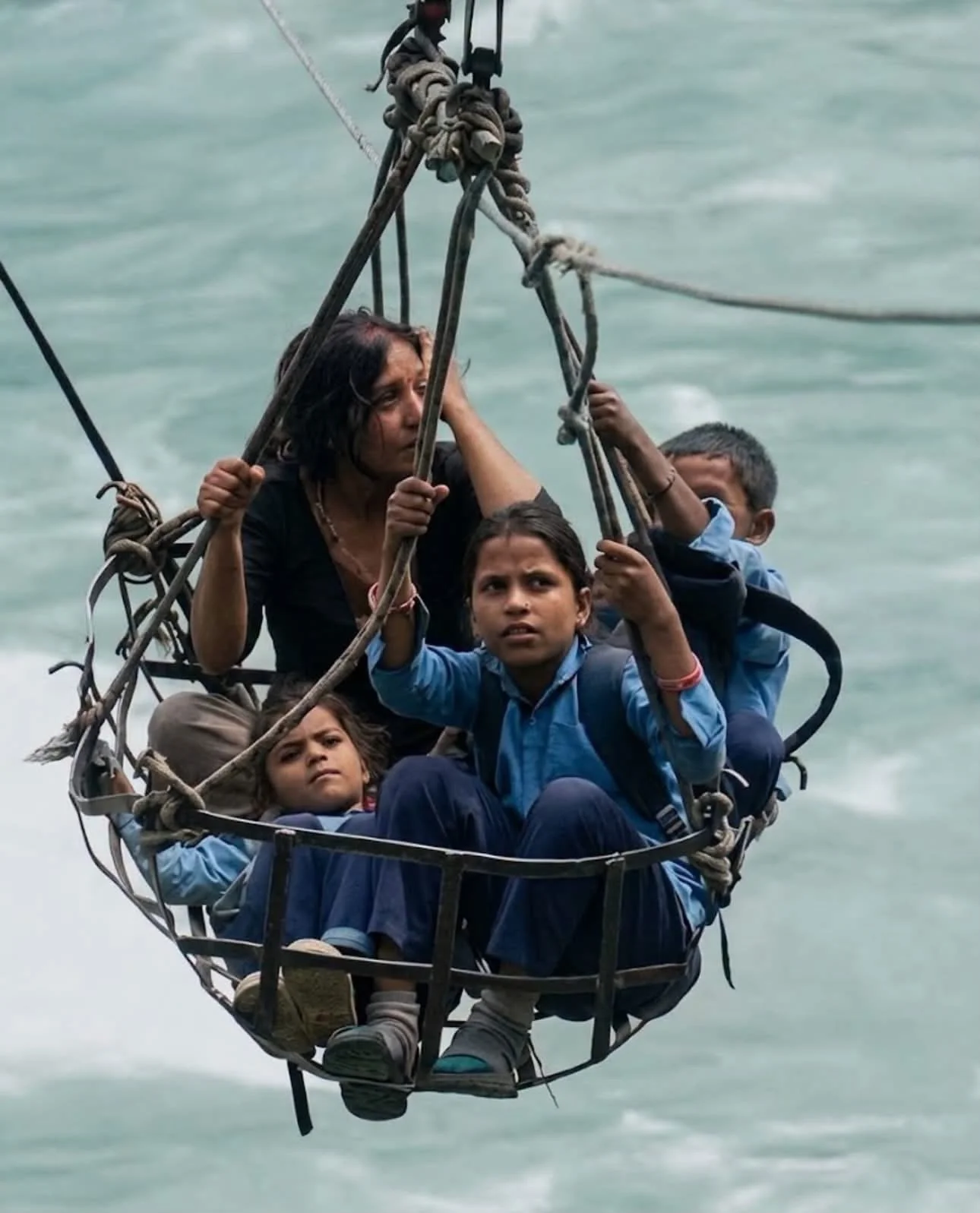
To look at a tuin—a raw wire cable stretched across the roaring fury of the Karnali River in Nepal’s remote northwestern and far-western districts—is to witness human existence reduced to a daily gamble with death. In isolated pockets like Ripa village in Humla’s Sarkegad Rural Municipality, ordinary villagers, young children, and daily wage earners do not cross rivers on bridges; they pull themselves hand-over-hand across empty space inside rusted iron cages suspended above raging glacial rapids.
Recent ground-level documentations, such as the poignant visual and narrative storytelling capturing the plight of Ripa village, lay bare a devastating local reality: despite national headlines and recurring political pledges, the perilous tuin remains an inescapable lifeline for communities pushed to the absolute margins of the map.
Why Tuins Still Run in Karnali and the Far West
While urban centers discuss modern infrastructure, the rugged geography of Karnali and the Far West tells a vastly different story. A tuin is an unpowered ropeway system where passengers hook themselves or their cargo onto a fraying steel cable spanning a deep river gorge.
Even though federal initiatives have periodically promised to eradicate these dangerous contraptions, remote areas face severe logistical abandonment. In places like Sarkegad, where bridge construction plans stall due to bureaucratic delays, delayed provincial budgets, or difficult terrain, local residents—including school children and farmers carrying heavy loads—are left with a grim choice: risk the tuin or remain entirely cut off from education, healthcare, and markets.
A History Carved in Tragedy
The history of the tuin across Nepal’s western gorges is written in sorrow. Over the decades, these makeshift crossings have been the sites of horrific accidents:
Fraying and Snapping Cables: Under constant friction and heavy loads, metal strands frequently snap mid-crossing, plunging passengers straight into the lethal, freezing torrents below.
Severe Physical Toll: Beyond fatal falls, users frequently suffer gruesome injuries, including fingers and hands crushed or severed by raw pulleys and sliding mechanisms.
The Psychological Burden: Parents live in constant terror, watching their children strap on school bags and trust their lives to a rusted wire loop over the Karnali just to reach a classroom.
The Anatomy of Government Failure
The stubborn persistence of the tuin in regions like Humla exposes systemic cracks in governance. Although multi-million-rupee projects are occasionally announced—such as localized bridge initiatives or Bailey bridge installations intended to replace specific ropeways—implementation crawls at a snail's pace.
Planners in Kathmandu treat remote infrastructure as spreadsheet metrics rather than urgent humanitarian crises. Bureaucratic red tape, friction between local and provincial cabinets regarding funding sources, and a lack of sustained oversight mean that communities like Ripa are forced to wait years for bridges that never seem to materialize in time.
The Pain and Hardships of the Locals
For the people living in the shadow of these cliffs, life is defined by quiet endurance. Every crossing is an ordeal of high-altitude vertigo, raw friction burns on palms, and silent prayers. When students cross the Karnali on a tuin to attend school, families back home watch with bated breath until they return safely.
The tuin stands as an enduring monument to state neglect—a stark reminder of how far removed the daily survival of Karnali's citizens is from the promises made in the capital.
