The End of an Era? Inside the Cristiano Ronaldo and Portugal National Team Crisis
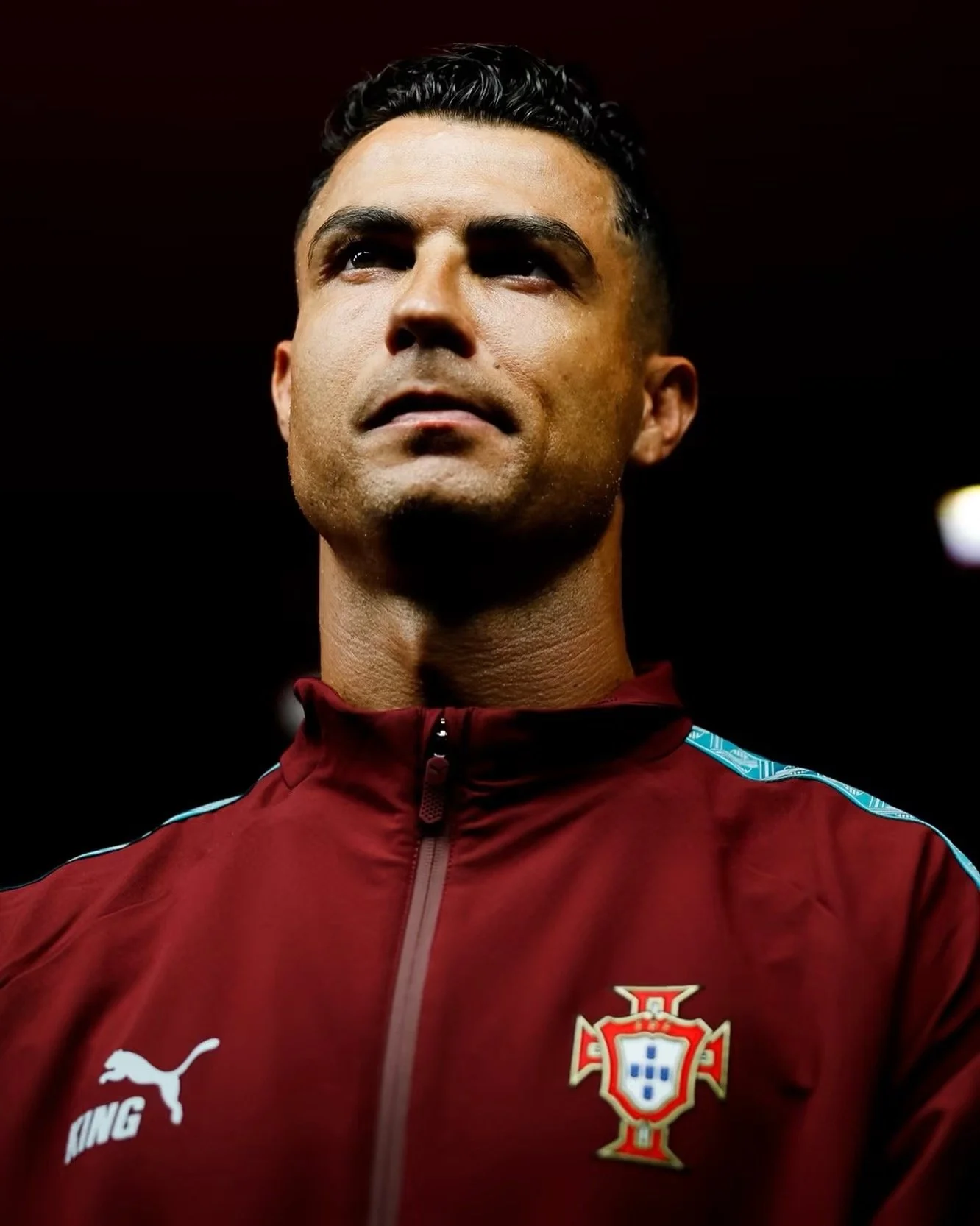
For over two decades, the history of the Portugal national team and the career of Cristiano Ronaldo have been written in the same ink. From his emotional emergence at Euro 2004 to carrying the Seleção to glory at Euro 2006 and the UEFA Nations League, Ronaldo has stood as the undisputed talisman of modern Portuguese football, racking up a record 146 goals in 234 appearances.
Yet, what was expected to be the final chapter of a legendary international career has instead unraveled into an unprecedented crisis. Following a high-profile clash with newly appointed head coach Jorge Jesus during the UEFA Nations League window, Ronaldo’s abrupt walkout from the national team camp has ignited a fierce national debate and triggered a massive digital earthquake for Portuguese football.
The Anatomy of a Fallout
The friction boiled down to a collision between an uncompromising manager and a hyper-competitive legend adjusting to the twilight of his career.
The tension peaked during the camp when Ronaldo—having warmed up extensively during a match against Norway without being subbed on—learned he was not in the starting plans against Denmark. Visibly frustrated by what he felt was a breach of understanding regarding his playing time, and following a tense press conference where Jorge Jesus firmly asserted his absolute authority over squad selection, Ronaldo packed his bags and exited the team hotel.
Taking to social media, the 41-year-old forward announced his departure, stating: "In due time, I will tell all Portuguese people the truth about the reasons that led to my departure from the national team... Now is the time to wish good luck to Portugal and to all my teammates."
While Jorge Jesus insisted that no major rift occurred and that team selection remains purely a tactical choice, the federation and the coaching staff were left staring down an internal crisis.
A Nation Divided and a Heavy Digital Price
The fallout immediately transcended the pitch, exposing deep fractures among supporters and creating an image management nightmare for the Portuguese Football Federation (FPF):
The Fan Backlash: Protests and supportive banners backing the legendary captain materialized across Lisbon, reflecting a broad sentiment among loyalists that management failed to show proper reverence to a national treasure.
The Social Media Bleeding: Official FPF and team channels suffered a staggering loss of roughly two million followers almost overnight as devoted supporters staged digital boycotts in protest of how the situation was handled.
The Squad's Focus: Amid the external noise, current players like Bruno Fernandes and matchday replacements like Gonçalo Ramos have been forced to lock focus on the fixtures, securing a gritty 4-2 victory over Denmark to prove the team machine can still function.
Where Does Portugal Go From Here?
Jorge Jesus has stood his ground, maintaining that no individual player can dictate terms to the collective. However, alienating a player of Ronaldo’s stature carries massive political, cultural, and emotional consequences. With potential disciplinary reviews looming from the federation and Ronaldo promising a full accounting of his side of the story, the immediate future of Portugal's greatest-ever icon remains clouded in uncertainty.
Whether this explosive chapter marks the definitive, unceremonious close of Ronaldo’s historic international journey or a temporary storm before an improbable reconciliation, one thing is certain: the relationship between Portugal and its ultimate footballing icon will never be the same again.
